足; 脚
あし · ashi · JLPT N5 · noun
leg
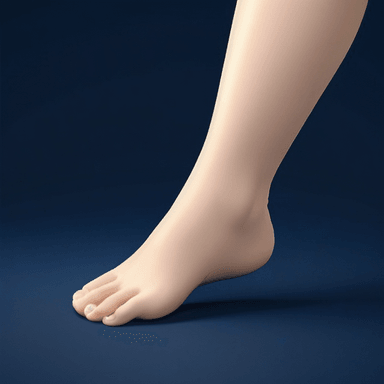
🦶🦵 ashi: you get ASHY feet walking barefoot through a fireplace
Ashi sounds like ashy. Japanese uses one word for both foot and leg: 足 usually covers the foot (and is the general spelling), while 脚 leans toward the whole leg or the legs of furniture.
足 — top 口 (mouth/enclosure) + bottom 止 (foot)
Originally a pictograph of a leg and foot, with the upper square representing the knee or shin and the lower part 止 depicting the foot itself. It primarily means 'foot' and by extension 'sufficient' or 'enough,' a meaning shift likely from the idea of standing firmly or having a solid footing.
脚 — meat radical 月(肉) + 却 (phonetic)
脚 is a semantic-phonetic compound. The left side 月 is the 'flesh/body' radical (from 肉), marking it as a body part. The right side 却 supplies the sound. Originally it referred to the lower leg or shin, and later broadened to mean 'foot' or 'leg' generally.