生地
きじ · kiji · JLPT N3 · noun
fabric
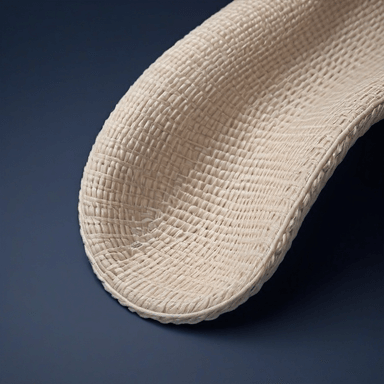
🧵🍞 生地 = raw + ground: the raw base material before it is sewn or baked
生 (ki) means raw or unprocessed, and 地 (ji) means ground or base, as in the texture of a material. Together they mean the plain stuff something starts as: cloth before tailoring, or dough before baking.
生 — sprout 屮 above earth 土
Originally a pictograph showing a young plant sprouting from the ground, with 屮 (a sprout) above 土 (earth). The core meaning is 'to be born, to grow, to live,' which extends to 'raw, unripe, unfamiliar.' The modern form has simplified the sprout shape but preserves the image of new growth emerging from soil.
地 — earth 土 + 也 (phonetic)
地 is a semantic-phonetic compound. The left component 土 means 'earth' or 'soil' and gives the meaning, while 也 on the right hints at the pronunciation. Originally referring to the ground or land, it broadened to mean 'place,' 'region,' and 'territory.'