瓶
びん · bin · JLPT N3 · noun
bottle
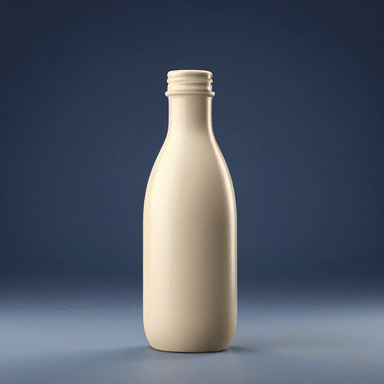
🍾 Sounds like bin: empty bottles go in the bottle bin
The kanji 瓶 has 瓦 (earthenware, clay) on the right, because the first bottles were clay jars. The left part 并 gives the sound. So it means a clay vessel that reads bin, the way a bottle bank or bin collects bottles.
瓶 — 併 (bing, phonetic) + 瓦 (tile/pottery)
瓶 is a phono-semantic compound. The right side 瓦 means tile or earthenware, signaling that the object is made of clay or pottery. The left side 并/併 supplies the sound 'ping'. Originally it referred to a pottery jar or jug, later generalized to any bottle or vase.