王子
おうじ · ouji · JLPT N3 · noun
prince
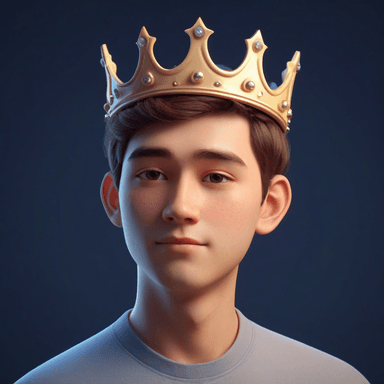
👑👦 王子 = king (王) + child (子): the king's child is the prince
王 means king and 子 means child, so 王子 (ouji) is literally the king's child. The reading combines ou (king, as in 王様 ousama) and ji (child).
王 — three horizontal strokes 三 + one vertical stroke connecting heaven, earth, and humanity
Originally a pictograph of a large ceremonial axe, a symbol of royal authority in ancient China. The three horizontal lines were later reinterpreted philosophically as heaven, earth, and humanity, with the king as the one who unites them. The meaning shifted from 'axe' to 'king' or 'ruler'.
子 — pictograph of a baby/child with arms out
子 began as a pictograph of a swaddled infant with a large head and outstretched arms, originally meaning 'baby' or 'child.' From there it broadened to 'son,' 'offspring,' and a respectful suffix for masters like 孔子 (Confucius). It also became one of the twelve earthly branches.