末っ子
すえっこ · suekko · JLPT N2 · noun
child
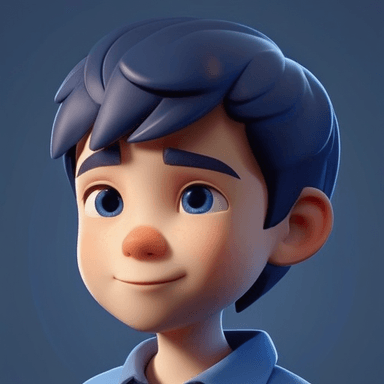
末 = end, last + っ子 = kid: the last kid in the family line
末 (すえ) means end or tip, as in 末尾 (the last part). Add っ子, a casual word for child, and you get the kid who comes last in the family.
末 — tree 木 with extended top stroke marking the tip
末 is an indicative character: it shows the tree 木 with an emphasized horizontal line near the top to point at the treetop, the 'tip' or 'end' of the branches. From this concrete sense it extended to mean 'end,' 'final,' or 'minor/trivial' (as opposed to the root 本).
子 — pictograph of a baby/child with arms out
子 began as a pictograph of a swaddled infant with a large head and outstretched arms, originally meaning 'baby' or 'child.' From there it broadened to 'son,' 'offspring,' and a respectful suffix for masters like 孔子 (Confucius). It also became one of the twelve earthly branches.