座席
ざせき · zaseki · JLPT N3 · noun
seat
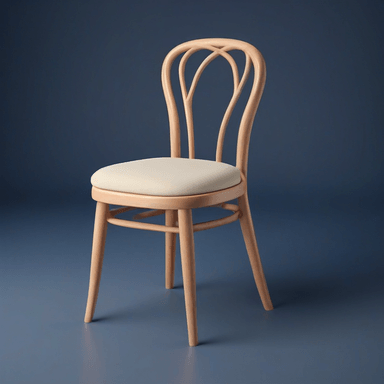
💺 座席 = sit (座) + place (席): a place where you sit
Both kanji mean seat. 座 (za) is a person sitting under a roof, as in 座る suwaru, to sit. 席 (seki) is a spot or place, as in 出席 shusseki, attendance. You'll see 座席 on train and theatre tickets.
座 — 广 (shelter) + 坐 (to sit)
Originally written as 坐, meaning 'to sit' (two people 人人 sitting on the ground 土). The shelter radical 广 was added to specify the place where one sits — a seat, throne, or platform. 坐 remained the verb 'to sit,' while 座 became the noun 'seat.'
席 — 广 (shelter) + 巾 (cloth), over woven mat 苫
Originally a pictograph of a woven mat or rush mat used for sitting on the floor, with 巾 (cloth) hinting at the woven material under a shelter 广. Because guests were seated on such mats, 席 extended to mean 'seat,' 'place at a banquet,' and later any 'seat' or 'membership' in a group.