店
みせ · mise · JLPT N5 · noun
shop
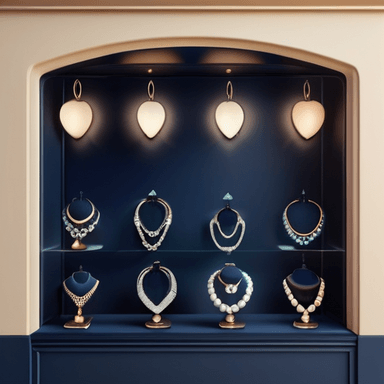
🏪 mise = short for mise-dana, a show-shelf where goods are displayed
Etymology: mise comes from the verb miseru, to show. A shop was originally a mise-dana, a display shelf for goods, later shortened to mise. Sound hook: mise sounds like the start of merchandise said fast, and a shop is where the merchandise is shown.
店 — 广 (shelter radical) + 占 (zhān, phonetic)
店 is a semantic-phonetic compound. The radical 广 depicts a roof or open shelter, suggesting a building, while 占 supplies the sound (zhān → diàn). Originally it referred to a roadside inn or stall set up under a shelter, and over time the meaning narrowed to 'shop' or 'store'.