塔
とう · tou · JLPT N3 · noun
tower
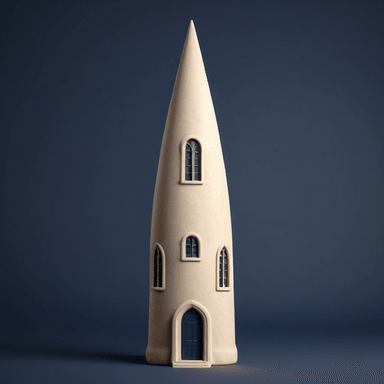
🗼 tou sounds like TOwer; earth 土 on the left: a tower built up from earth
塔 came through Chinese from Sanskrit stupa (Pali thupa), a Buddhist mound of earth holding relics, which is why it has the earth radical 土. In Japanese it means pagodas, as in 五重塔 (five-storey pagoda), and modern towers, as in 管制塔 (control tower).
塔 — earth 土 + grass 艹 + 合
塔 is a phono-semantic compound. The earth radical 土 on the left signals the meaning, since pagodas and towers are built structures rising from the ground. The right side 荅 (a kind of bean) supplies the sound. The character was coined in medieval China to translate Sanskrit 'stūpa,' the Buddhist reliquary tower.