便所
べんじょ · benjo · JLPT N2 · noun
toilet
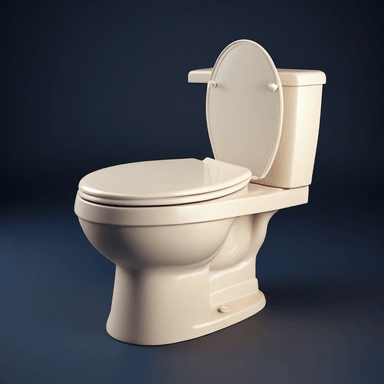
🚽 便所 = 便 (convenience/waste) + 所 (place): the place for convenience
便 means convenience or waste, and 所 means place. Together they name the place for convenience, a polite way to say toilet. The reading べんじょ keeps the 便 sound.
便 — person 亻 + change 更
A semantic compound: 亻(person) beside 更 (to change/replace). The original sense was a person making things easier or more convenient by adjusting them. From 'convenient' it extended to 'then/thereupon' (biàn) and to bodily 'discharge' (as in 大便).
所 — door 戶 (left) + axe 斤 (right)
Originally a sound: an axe (斤) chopping wood near a door (戶), with 戶 also hinting at the pronunciation. Over time it was borrowed to mean 'place' or 'location,' and later became a grammatical particle nominalizing verbs ('that which…'). The concrete 'chopping' sense faded entirely.