上着
うわぎ · uwagi · JLPT N5 · noun
coat
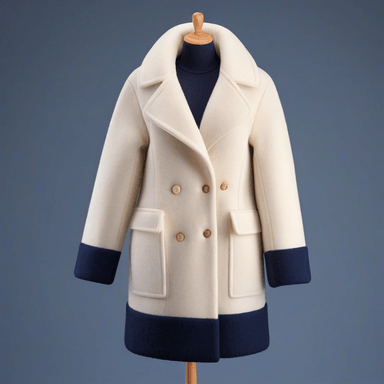
🧥 上着 = upper (上) + wear (着): the thing you wear on top
上 means up/over and 着 comes from 着る (kiru), to wear. Uwa- is the reading 上 takes in compounds for outer or upper things, and ki becomes gi by voicing. Compare 下着 (shitagi) = under + wear = underwear.
上 — horizontal line above a baseline
上 is an indicative character (指事): a short stroke placed above a longer reference line shows the concept of 'above' or 'up'. The earliest oracle-bone forms used two horizontal lines for this; the modern shape added a vertical stroke for clarity. The core meaning of 'upper, above, to ascend' has stayed stable for millennia.
着 — sheep 羊 (top) + eye 目 (bottom)
着 originated as a variant of 著, which depicted plants emerging visibly above ground (grass radical 艹 over 者). Over time 着 split off to carry meanings like 'attach,' 'wear,' or a verb suffix marking ongoing action (zhe), while 著 kept senses like 'manifest' or 'author.'