鸡蛋
jī dàn · HSK 1
egg
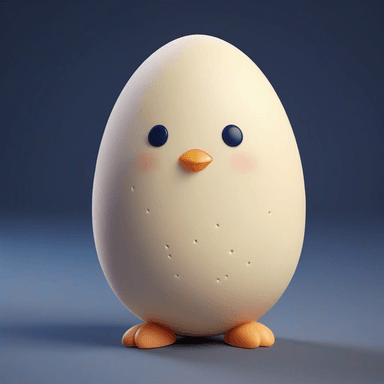
🐔🥚 鸡蛋 = 鸡 (chicken) + 蛋 (egg) → chicken egg
鸡 jī means chicken; 蛋 dàn means egg. The compound is literal: chicken's egg. 蛋 alone covers any egg (duck, fish), so 鸡蛋 specifies the hen's egg you buy at the market.
鸡 — 又 (hand) + 鸟 (bird), simplified from 雞
Originally written 雞, a phono-semantic compound: 鳥 'bird' gives the meaning, while 奚 supplied the sound. The simplified form 鸡 replaces 奚 with 又 (a hand) as a sign component and uses the simplified bird radical 鸟. The character has always meant 'chicken'.
蛋 — top 疋 (cloth/foot) + bottom 虫 (insect/creature)
蛋 originally referred to an egg, with 虫 ('creature') as the semantic component indicating something laid by reptiles, birds, or insects. The upper 疋 element here functions largely as a phonetic marker rather than carrying meaning. Over time, 蛋 broadened from 'egg' to also mean a rounded, egg-shaped object.
jī dàn · HSK 2
egg
🥚 鸡蛋 = chicken (鸡) + egg (蛋), literally 'chicken-egg'
鸡 means chicken and 蛋 means egg, so 鸡蛋 specifies a hen's egg. Chinese often pairs the animal with 蛋 to disambiguate (鸭蛋 = duck egg, 鹅蛋 = goose egg).
鸡 — 又 (hand) + 鸟 (bird), simplified from 雞
Originally written 雞, a phono-semantic compound: 鳥 'bird' gives the meaning, while 奚 supplied the sound. The simplified form 鸡 replaces 奚 with 又 (a hand) as a sign component and uses the simplified bird radical 鸟. The character has always meant 'chicken'.
蛋 — top 疋 (cloth/foot) + bottom 虫 (insect/creature)
蛋 originally referred to an egg, with 虫 ('creature') as the semantic component indicating something laid by reptiles, birds, or insects. The upper 疋 element here functions largely as a phonetic marker rather than carrying meaning. Over time, 蛋 broadened from 'egg' to also mean a rounded, egg-shaped object.