马车
mǎ chē · HSK 6
carriage
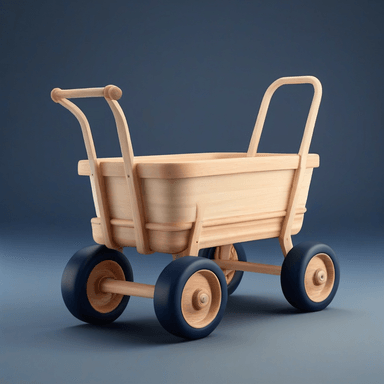
🐴🛒 马 (horse) + 车 (vehicle) = horse-vehicle, a carriage
Before engines, vehicles were pulled by horses. Chinese spells it out literally: horse-vehicle. The word covers carts, carriages, chariots, and buggies — any wheeled thing a horse moves.
马 — pictograph of a horse (simplified from 馬)
马 is a pictograph that originally depicted a horse in profile, with mane, legs, and tail clearly visible in the oracle bone and bronze script forms. The traditional form 馬 still preserves four dots representing the legs. The modern simplified form 马 streamlines these strokes but retains the same meaning: horse.
车 — pictograph of a chariot/cart
车 is a pictograph originally drawn as a top-down view of a chariot, showing the axle, wheels, and carriage box. The ancient form 車 clearly depicted two wheels connected by an axle. It still means vehicle, cart, or car today.