面条
miàn tiáo · HSK 3
noodle
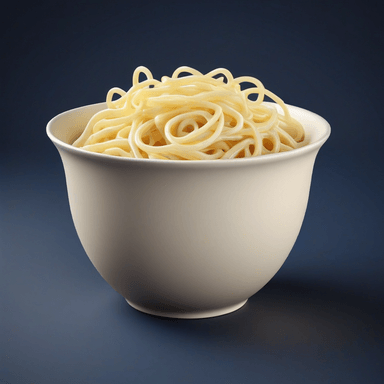
🍜 面 (flour/noodle) + 条 (long thin strip) = long strips of dough
面 originally meant flour or wheat flour, and by extension the noodles made from it. 条 is the measure word and noun for any long, narrow strip. Together they literally name the food: strips of dough.
面 — enclosure 囗 + 自 (nose/face inside)
Originally a pictograph showing a face framed by an outline, with 自 (nose) inside representing the central feature of the face. The early meaning was 'face,' which extended to 'surface,' 'side,' and 'aspect.' In simplified Chinese, 面 also absorbed 麵, adding the meaning 'flour/noodles.'
条 — 攵 (tap) + 木 (tree); originally 攸 + 木
Originally written with 攸 (a flowing stream) over 木 (tree), 条 depicted slender twigs or branches of a tree. The meaning extended from 'thin branch' to any long, narrow item, then to 'strip,' 'item,' or 'article' as a measure word. The modern simplified form keeps 攵 over 木.