雪山
xuěshān · HSK 7
mountain
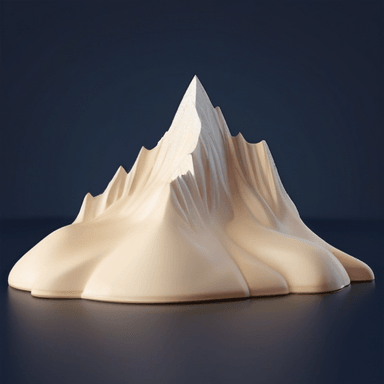
🏔️❄️ 雪 (snow) + 山 (mountain) = snow + mountain
A literal compound: 雪 xuě is snow and 山 shān is mountain, stacked to mean a snow-capped peak. Hear shān as the same syllable in 火山 huǒshān (volcano), another kind of 山.
雪 — rain 雨 + hand 彐 (originally broom 帚)
Originally an ideograph showing rain 雨 above a hand holding a broom, suggesting snow as 'rain that can be swept.' Over time the broom element simplified to 彐. The character has always meant snow, with later extended senses like 'to wipe away' (as in 雪恥, to wipe out shame).
山 — pictograph of three mountain peaks
山 is one of the oldest pictographs in Chinese, originally drawn in oracle bone script as three pointed peaks rising from a baseline. The form was simplified over time into the modern three vertical strokes on a base. Its meaning has stayed remarkably stable: 'mountain' or 'hill'.