腿
tuǐ · HSK 2
leg
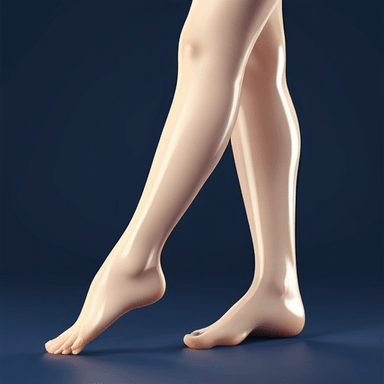
🦵 腿 = 月 (flesh radical) + 退 (retreat, phonetic ~tuì)
The 月 radical marks body parts; 退 (tuì, retreat) lends the sound. So 腿 is the body part you use to retreat — your leg. Sound link: tuǐ ≈ tuì minus the falling tone.
腿 — flesh radical 月 (肉) + 退 tuì (phonetic)
腿 is a semantic-phonetic compound. The left side 月 is the 'flesh/body' radical, marking it as a body part. The right side 退 supplies the sound (tuì → tuǐ). It's a relatively late character; older Chinese used 股 and 腳 for leg-related meanings.
tuǐ · HSK 3
leg
🦵 腿 = 月 (flesh) + 退 (retreat); flesh that retreats and steps back
The 月 radical marks body parts (flesh), and 退 (tuì, retreat) supplies both the sound and a hint of meaning — legs are the flesh that lets you step or retreat. Pinyin tuǐ rhymes with 退 tuì.
腿 — flesh radical 月 (肉) + 退 tuì (phonetic)
腿 is a semantic-phonetic compound. The left side 月 is the 'flesh/body' radical, marking it as a body part. The right side 退 supplies the sound (tuì → tuǐ). It's a relatively late character; older Chinese used 股 and 腳 for leg-related meanings.