脑子
nǎozi · HSK 5
mind
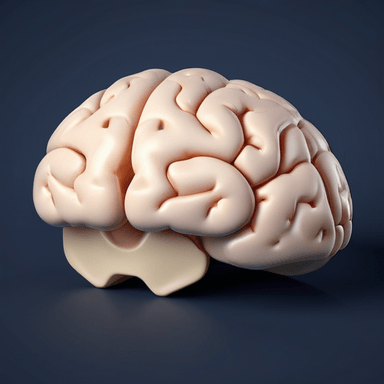
🧠 脑子 = 脑 (brain) + 子 (noun suffix); literally 'brain-thing'
脑 nǎo is the brain organ; 子 zi is a common noun-forming suffix attached to many body and object words (like 鼻子 nose, 桌子 table). So 脑子 just means 'the brain' as an everyday noun, often used for 'mind' or 'wits'.
子 — pictograph of a baby/child with arms out
子 began as a pictograph of a swaddled infant with a large head and outstretched arms, originally meaning 'baby' or 'child.' From there it broadened to 'son,' 'offspring,' and a respectful suffix for masters like 孔子 (Confucius). It also became one of the twelve earthly branches.