肝脏
gān zàng · HSK 7
liver
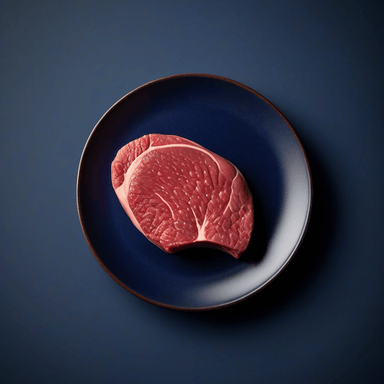
🫀 肝 = liver organ + 脏 = internal organ; doubled for clarity
肝 alone means liver; adding 脏 (viscera, internal organ) makes the medical term explicit. 脏 appears in 心脏 heart, 肾脏 kidney, 肺脏 lung — a standard suffix marking 'the organ called X'.
肝 — flesh radical 月 (肉) + 干 gān phonetic
A semantic-phonetic compound. The left side 月 is the 'flesh/meat' radical (from 肉), used for body organs. The right side 干 supplies the sound 'gān'. Together they denote the liver, an internal organ.
脏 — flesh radical 月 + 葬 (burial, phonetic)
脏 is the simplified form of two distinct traditional characters. As 髒 it means 'dirty,' with 骨 (bone) hinting at decay; as 臟 it means 'internal organs,' using 月 (flesh) for the body. Modern 脏 merges both, with 葬 ('burial') serving as the phonetic component.