米饭
mǐ fàn · HSK 1
rice
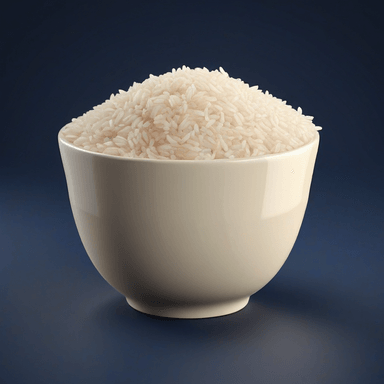
🍚 米 = uncooked rice grain + 饭 = cooked meal/food
米 alone is the raw grain; adding 饭 (a meal, food) specifies it as the cooked, ready-to-eat form served in a bowl. Together 米饭 literally reads as rice-meal.
米 — pictograph of rice grains separated by a thresher
米 is a pictograph showing grains of rice scattered around a central horizontal line, originally depicting kernels separated from the husk on a threshing surface. In oracle bone script the dots clearly represent individual grains. The meaning has stayed remarkably stable, referring to husked, uncooked rice and by extension other small grains.
饭 — food radical 飠/饣 + 反 fǎn (phonetic)
A semantic-phonetic compound. The left side 饣 (simplified from 飠, 'eat/food') gives the meaning, while 反 on the right hints at the sound. Originally referring to cooked grain, it broadened to mean cooked rice and, by extension, a meal in general.
mǐ fàn · HSK 2
rice
🍚 米 = uncooked rice grain + 饭 = cooked meal; together: cooked rice
米 (mǐ) is the raw grain and 饭 (fàn) is a prepared meal or cooked staple. Stack them and you get the everyday word for a bowl of cooked rice. 饭 also shows up in 早饭 breakfast and 晚饭 dinner.
米 — pictograph of rice grains separated by a thresher
米 is a pictograph showing grains of rice scattered around a central horizontal line, originally depicting kernels separated from the husk on a threshing surface. In oracle bone script the dots clearly represent individual grains. The meaning has stayed remarkably stable, referring to husked, uncooked rice and by extension other small grains.
饭 — food radical 飠/饣 + 反 fǎn (phonetic)
A semantic-phonetic compound. The left side 饣 (simplified from 飠, 'eat/food') gives the meaning, while 反 on the right hints at the sound. Originally referring to cooked grain, it broadened to mean cooked rice and, by extension, a meal in general.