玉米
yù mǐ · HSK 4
maize
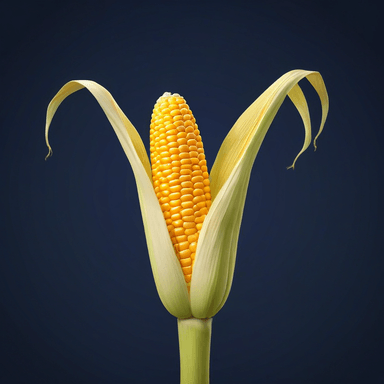
🌽 玉 (jade) + 米 (rice) = jade-like grain, i.e. corn
玉 means jade and 米 means rice or small grain. Together 玉米 literally reads as jade-grain, a poetic name for the golden-yellow kernels that resemble polished jade beads on the cob.
玉 — three horizontal jades 三 strung on a vertical cord 丨, with a dot added
Originally a pictograph showing three flat jade discs threaded together on a string, the character meant 'jade' or precious stone. A dot was later added to distinguish it from 王 ('king'), which had nearly the same shape. It now refers to jade and, by extension, anything precious or beautiful.
米 — pictograph of rice grains separated by a thresher
米 is a pictograph showing grains of rice scattered around a central horizontal line, originally depicting kernels separated from the husk on a threshing surface. In oracle bone script the dots clearly represent individual grains. The meaning has stayed remarkably stable, referring to husked, uncooked rice and by extension other small grains.