牙齿
yáchǐ · HSK 7
tooth
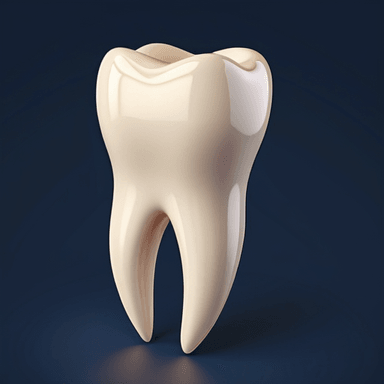
🦷 牙 (fang/front tooth) + 齿 (tooth/molar) = teeth
牙 originally meant the back molars or fangs, 齿 the front teeth shown when you smile; together 牙齿 just means teeth. yáchǐ rhymes with itself, a tidy two-syllable pair.
牙 — pictograph of interlocking molars/tusks
牙 originated as a pictograph of two interlocking teeth or animal tusks, showing the upper and lower jaws meshing together. Originally it referred specifically to molars or fangs (as opposed to 齒, the front teeth), and by extension came to mean tusks and ivory. In modern Chinese it is the general word for 'tooth.'
yá chǐ · HSK 4
tooth
🦷 牙 = tooth/fang + 齿 = teeth; doubled-up tooth word
牙 originally depicted interlocking fangs/tusks, while 齿 is the general word for teeth. Modern Mandarin pairs them into 牙齿, a compound that literally stacks fang + teeth to mean the full set in your mouth.
牙 — pictograph of interlocking molars/tusks
牙 originated as a pictograph of two interlocking teeth or animal tusks, showing the upper and lower jaws meshing together. Originally it referred specifically to molars or fangs (as opposed to 齒, the front teeth), and by extension came to mean tusks and ivory. In modern Chinese it is the general word for 'tooth.'