牙
yá · HSK 4
tooth
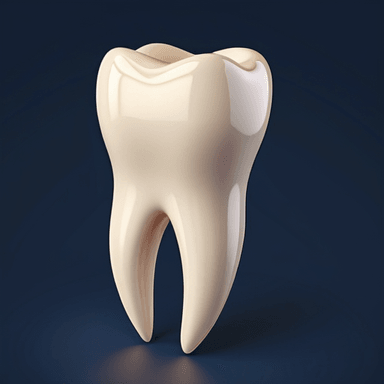
🦷 牙 = tooth; pictograph of interlocking upper and lower teeth biting
The ancient form depicts two teeth meshing together like a bite. From 'tooth/fang' it extended to 'ivory' (elephant tusk = 象牙) and figuratively to 'broker' (牙人), originally a market middleman who haggled tooth-and-nail.
牙 — pictograph of interlocking molars/tusks
牙 originated as a pictograph of two interlocking teeth or animal tusks, showing the upper and lower jaws meshing together. Originally it referred specifically to molars or fangs (as opposed to 齒, the front teeth), and by extension came to mean tusks and ivory. In modern Chinese it is the general word for 'tooth.'