爹
diē · HSK 7
dad
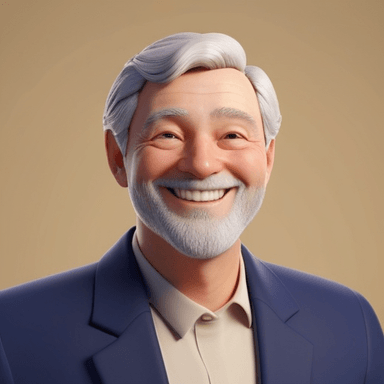
👴 DIE is what old men do — diē means dad or old man
The sound diē echoes the English word die, and this character refers to an elderly father or papa. Top part is 父 (father), bottom is 多 (many) — a father of many years.
爹 — 父 'father' (semantic) + 多 'many' (phonetic)
爹 is a semantic-phonetic compound: 父 'father' gives the meaning, while 多 (duō) hints at the sound. It emerged in medieval Chinese as a colloquial, affectionate word for 'dad,' distinct from the more formal 父. Today it remains an informal term for father, especially in northern speech.