火车
huǒchē · HSK 1
train
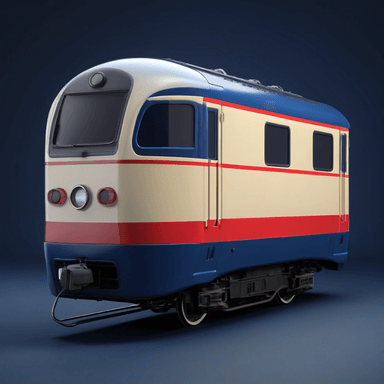
🚂 火车 = 火 (fire) + 车 (vehicle) — a fire-powered vehicle, i.e. steam train
Coined in the steam era: early trains burned coal to make fire, so Chinese literally calls them fire-vehicles. The 火 component still marks the word today even though modern trains are electric.
火 — pictograph of flames rising
火 is a pictograph showing flames rising upward from a fire, with the central stroke as the main blaze and the side strokes as sparks. The ancient oracle bone form looked even more clearly like a burning flame. It still means 'fire' today and serves as a common radical in characters related to heat, burning, or cooking.
车 — pictograph of a chariot/cart
车 is a pictograph originally drawn as a top-down view of a chariot, showing the axle, wheels, and carriage box. The ancient form 車 clearly depicted two wheels connected by an axle. It still means vehicle, cart, or car today.
huǒ chē · HSK 2
train
🚂 火车 = fire + vehicle (steam-era name for train)
火 (huǒ) means fire and 车 (chē) means vehicle or cart. The compound dates to the steam-engine era, when trains were literally fire-powered carts. Modern electric trains kept the name.
火 — pictograph of flames rising
火 is a pictograph showing flames rising upward from a fire, with the central stroke as the main blaze and the side strokes as sparks. The ancient oracle bone form looked even more clearly like a burning flame. It still means 'fire' today and serves as a common radical in characters related to heat, burning, or cooking.
车 — pictograph of a chariot/cart
车 is a pictograph originally drawn as a top-down view of a chariot, showing the axle, wheels, and carriage box. The ancient form 車 clearly depicted two wheels connected by an axle. It still means vehicle, cart, or car today.