火腿
huǒ tuǐ · HSK 5
ham
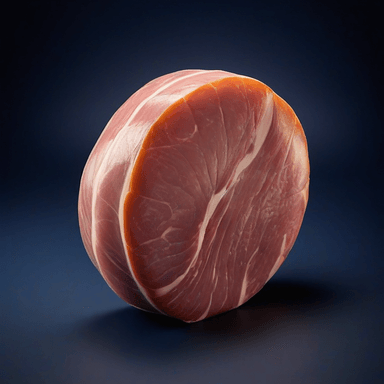
🍖 火 (fire) + 腿 (leg) = ham, the fire-cured leg
火 means fire and 腿 means leg. Ham is cured pork leg, traditionally smoked or fire-treated, so the compound literally reads fire-leg. Chinese 火腿 (huǒtuǐ) parallels the English word ham referring to a pig's thigh.
火 — pictograph of flames rising
火 is a pictograph showing flames rising upward from a fire, with the central stroke as the main blaze and the side strokes as sparks. The ancient oracle bone form looked even more clearly like a burning flame. It still means 'fire' today and serves as a common radical in characters related to heat, burning, or cooking.
腿 — flesh radical 月 (肉) + 退 tuì (phonetic)
腿 is a semantic-phonetic compound. The left side 月 is the 'flesh/body' radical, marking it as a body part. The right side 退 supplies the sound (tuì → tuǐ). It's a relatively late character; older Chinese used 股 and 腳 for leg-related meanings.