清真寺
qīng zhēn sì · HSK 7
mosque
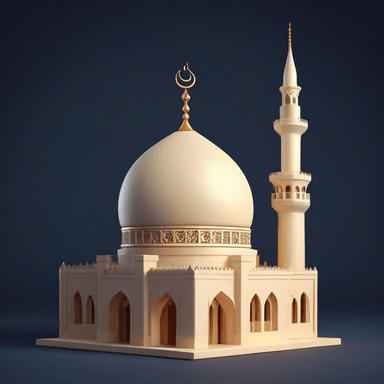
🕌 清真寺 = pure + true + temple; the pure-and-true temple is a mosque
清 — water 氵 + 青 (azure/blue-green, phonetic)
清 is a semantic-phonetic compound. The water radical 氵 gives the meaning—originally clear, unmuddied water—while 青 (qīng, azure) supplies the sound and reinforces the image of pure blue-green water. The sense later broadened from 'clear water' to 'clear, pure, clean' in general.
真 — 匕 (spoon) over 目 (eye) over 八 (eight/base)
真 originally depicted a person or vessel used in ritual, conveying the idea of something genuine or true. Over time the form was reanalyzed as components like 匕, 目, and a base, but the core meaning of 'real, true, genuine' has remained stable since early bronze inscriptions.
寺 — earth 土 on top + inch 寸 below
Originally depicted a hand (寸) working at a place, denoting a court or government office in early Chinese. After Buddhism arrived in the Han dynasty, 寺 was reassigned to mean 'Buddhist temple' because foreign monks were first housed in such official buildings. The older 'office' sense survives in compounds like 太常寺.