洗手间
xǐ shoǔ jiān · HSK 1
toilet
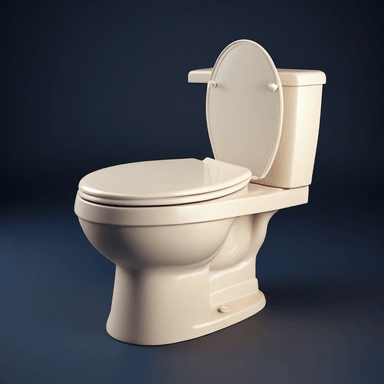
🚻🚽 洗手间 = wash + hand + room
Literal compound: 洗 (wash) + 手 (hand) + 间 (room/space) — the room for washing hands, i.e. the toilet. 间 is the same 'room/space' character in 房间 (room) and 时间 (time-space).
洗 — water radical 氵 + 先 (xiān)
A semantic-phonetic compound. The water radical 氵 indicates the meaning (washing with water), while 先 supplies the sound, originally close to xiǎn/xǐ. The character has long meant 'to wash' or 'rinse,' and by extension 'to cleanse' or 'wash away.'
手 — pictograph of a hand with five fingers
手 is a pictograph showing an open hand with fingers and a wrist. Early bronze and oracle bone forms clearly depict five splayed fingers, which simplified over time into the modern shape. It keeps its original meaning of 'hand' and also serves as a radical in many characters related to hand actions.
间 — gate 門 + sun 日 (originally moon 月)
Originally written 閒, showing the moon 月 shining through a gate 門 — the gap or space between the doors. The moon was later replaced by 日 (sun), giving the modern 间. The core meaning 'space/interval between' extended to time intervals, rooms, and the measure word for buildings.