棍子
gùn zi · HSK 7
stick
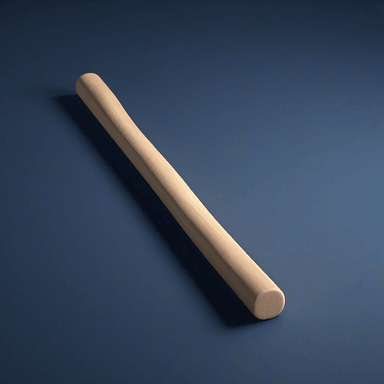
🥢 棍 = wood radical 木 + 昆 (phonetic gùn); 子 is just a noun suffix
The 木 on the left flags it as a wooden thing, and 昆 carries the gùn sound. Add the suffix 子 and you get gùn zi, a plain stick or rod.
棍 — wood radical 木 + 昆 (kūn)
A semantic-phonetic compound. The wood radical 木 on the left signals the meaning, since a 棍 is a stick or rod made of wood. The right side 昆 (kūn) supplies the sound, hinting at the modern reading gùn.
子 — pictograph of a baby/child with arms out
子 began as a pictograph of a swaddled infant with a large head and outstretched arms, originally meaning 'baby' or 'child.' From there it broadened to 'son,' 'offspring,' and a respectful suffix for masters like 孔子 (Confucius). It also became one of the twelve earthly branches.