梳子
shū zi · HSK 7
comb
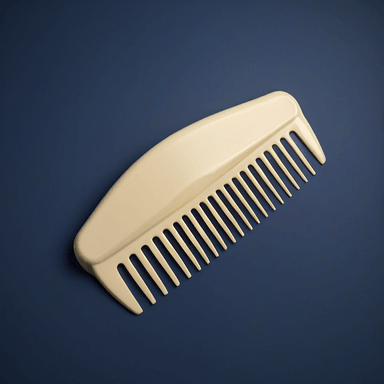
梳 carries the 木 wood radical — old combs were carved from wood; 子 is just a noun suffix
The 木 on the left of 梳 marks the material: combs were traditionally cut from wood or bamboo. 子 (zi) adds nothing in meaning, just the common noun-ending tag, so 梳子 reads as wood-comb-thing = comb.
梳 — wood radical 木 + 流 (without 氵)
梳 is a semantic-phonetic compound. The wood radical 木 indicates the material, since combs were traditionally carved from wood. The right side 疏-like component (originally related to 流) suggests the sound and the idea of flowing or smoothing through, fitting a comb that glides through hair.
子 — pictograph of a baby/child with arms out
子 began as a pictograph of a swaddled infant with a large head and outstretched arms, originally meaning 'baby' or 'child.' From there it broadened to 'son,' 'offspring,' and a respectful suffix for masters like 孔子 (Confucius). It also became one of the twelve earthly branches.