新娘
xīnniáng · HSK 4
bride
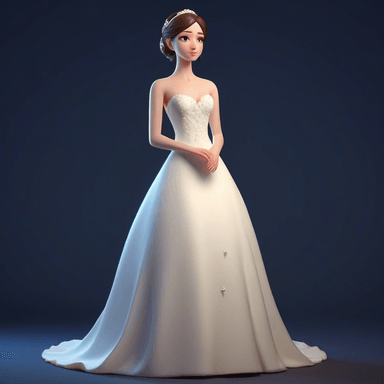
👰 新娘 = new + niang (woman/mother); a 'new woman' joining the family
新 means new; 娘 means woman or young lady (also mother in some contexts). Together: the new woman of the household, i.e. the bride. The 女 radical in 娘 marks it as a female-related character.
新 — 立 stand + 木 tree + 斤 axe
Originally depicted cutting fresh wood with an axe (斤) from a tree (木), with 辛/立 as the phonetic component. The original meaning of 'firewood' was later written as 薪, while 新 took on the extended sense of 'new' or 'fresh'.
娘 — woman radical 女 + 良 (good/phonetic)
A semantic-phonetic compound: 女 gives the meaning 'woman/female,' while 良 supplies the sound (close to niáng). Originally used for 'young woman' or 'girl,' it later shifted to mean 'mother' in many contexts, and serves as a respectful term for women in compounds like 姑娘.