扇子
shàn zi · HSK 5
fan
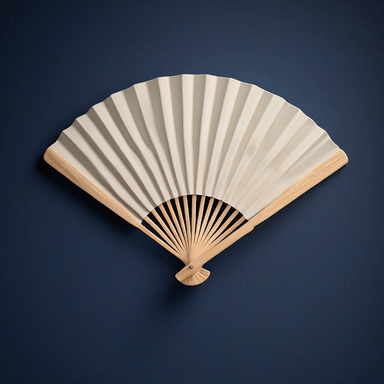
🪭 扇子 = fan (扇) + suffix 子; 扇 = 户 (door) + 羽 (feathers)
扇 depicts feathers (羽) under a door-leaf (户) — early fans were feathered panels hinged like a door. 子 is a noun suffix here, not literal 'child'. Pronounced shàn zi, second syllable neutral tone.
扇 — door 戶 + feather 羽
扇 combines 戶 (door) above 羽 (feathers), originally depicting a door-leaf made of woven feathers or a feathered fan that swings like a door. The image extended to flat hand-fans, then by association to anything that fans, fluffs, or stirs up — including the verb 'to fan' and a measure word for doors and windows.
子 — pictograph of a baby/child with arms out
子 began as a pictograph of a swaddled infant with a large head and outstretched arms, originally meaning 'baby' or 'child.' From there it broadened to 'son,' 'offspring,' and a respectful suffix for masters like 孔子 (Confucius). It also became one of the twelve earthly branches.