异口同声
yì koǔ tóng shēng · HSK 7
mouth
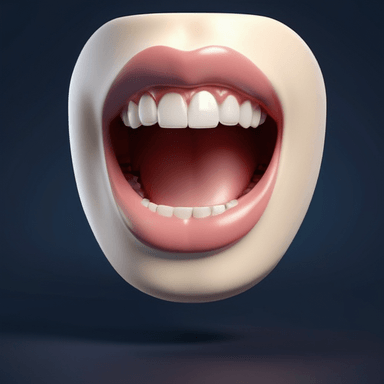
👄🗣️ 异 different + 口 mouth + 同 same + 声 voice = different mouths, one voice
Four characters stack literally: 异 (different) + 口 (mouth) + 同 (same) + 声 (sound/voice). It describes many people saying the exact same thing at once, as if rehearsed.
口 — pictograph of an open mouth
口 is one of the oldest pictographs in Chinese, originally drawn as a simple outline of an open mouth. Its core meaning 'mouth' extended naturally to 'opening' or 'entrance', as in 入口 (entrance). It also serves as a common radical in characters related to speech, eating, or apertures.
同 — 冂 enclosure + 一 + 口 mouth
Originally depicted multiple mouths gathered under one cover or enclosure, suggesting people speaking together in agreement. From this image of voices joining, it came to mean 'same,' 'together,' or 'alike.' The shared cover symbolizes unity.
声 — 士 scholar/warrior on top + 尸-like form + components (simplified from 聲)
声 is the simplified form of 聲, which originally depicted a hanging stone chime (殸) being struck, with 耳 'ear' below to show hearing. The full form combined the sound-making instrument and the act of listening, meaning 'sound' or 'voice'. The modern simplified 声 keeps only the upper portion.