席位
xí wèi · HSK 7
seat
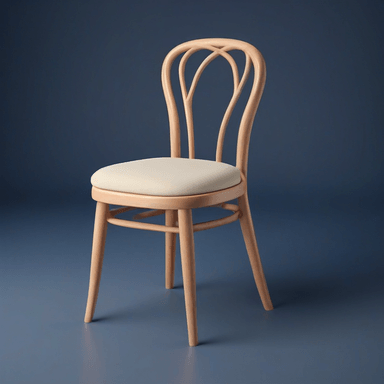
💺 席 (mat/seat) + 位 (position/place) = an assigned seat or a parliamentary seat
席 originally meant a woven sitting mat, then any seat; 位 means position or place. Together they name a designated seat: a numbered spot in a theater or stadium, or a held seat in parliament.
席 — 广 (shelter) + 巾 (cloth), over woven mat 苫
Originally a pictograph of a woven mat or rush mat used for sitting on the floor, with 巾 (cloth) hinting at the woven material under a shelter 广. Because guests were seated on such mats, 席 extended to mean 'seat,' 'place at a banquet,' and later any 'seat' or 'membership' in a group.
位 — person radical 亻 + stand 立
位 combines the person radical 亻 with 立 (to stand), originally depicting a person standing in their proper place at court. It came to mean 'position, rank, or place,' and is now also used as a polite measure word for people.