屋顶
wūdǐng · HSK 7
roof
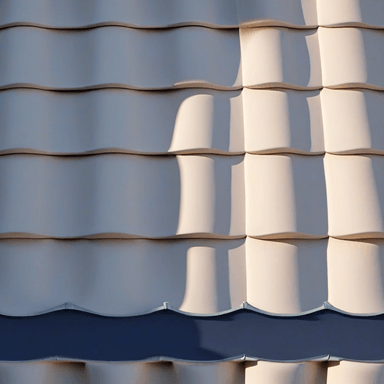
🏠 屋 house + 顶 top = the top of the house, a roof
屋 means house or room; 顶 means top, peak, or summit. Stack them and you get the topmost part of a building: the roof. 顶 also shows up in 山顶 (mountain top), so it reliably tags the highest point of a thing.
屋 — corpse 尸 + reach/arrive 至
屋 originally depicted a place where one arrives (至) to rest under a roof, with 尸 here representing a covering or dwelling rather than a corpse. The character came to mean 'house' or 'room'. Today it commonly refers to a house or a room within a building.
顶 — 页 (head) + 丁 (phonetic)
顶 is a semantic-phonetic compound. The 页 component, originally a pictograph of a head, gives the meaning — the top of the head, hence 'top' or 'peak.' The 丁 component supplies the sound (dīng → dǐng). It later extended to verbs like 'support from below' or 'carry on the head.'