屋子
wūzi · HSK 3
house
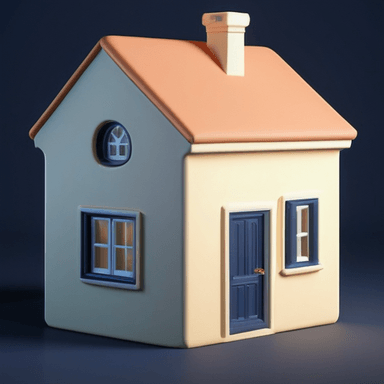
🏠 屋子 = wū (house/room) + zi (noun suffix)
屋 means house or room; 子 is a common noun suffix that doesn't add meaning here. Together 屋子 just means room or house. The 屋 character shows a roof (尸) over 至 (arrive), suggesting where one arrives to rest.
屋 — corpse 尸 + reach/arrive 至
屋 originally depicted a place where one arrives (至) to rest under a roof, with 尸 here representing a covering or dwelling rather than a corpse. The character came to mean 'house' or 'room'. Today it commonly refers to a house or a room within a building.
子 — pictograph of a baby/child with arms out
子 began as a pictograph of a swaddled infant with a large head and outstretched arms, originally meaning 'baby' or 'child.' From there it broadened to 'son,' 'offspring,' and a respectful suffix for masters like 孔子 (Confucius). It also became one of the twelve earthly branches.