奶牛
nǎi niú · HSK 6
cow
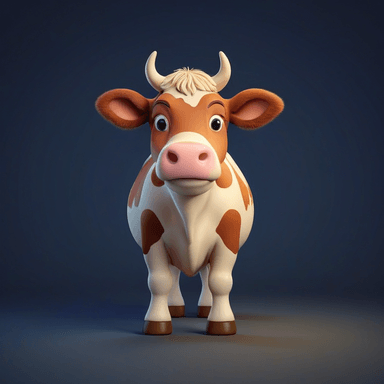
🐄🥛 nǎi = milk + niú = cow — literally milk cow
The compound is transparent: 奶 (nǎi, milk/breast) + 牛 (niú, cow/ox). A cow that gives milk. The nǎi sound echoes 'nay,' what a cow might say, while niú sounds close to 'new' — a nay-ing new cow on the dairy farm.
奶 — 女 (woman) + 乃 (phonetic)
奶 is a semantic-phonetic compound. The left side 女 'woman' gives the meaning, linking the character to mothers and nursing, while the right side 乃 supplies the sound. It originally referred to breasts and breast milk, and later extended to milk in general and to terms for grandmother (奶奶).
牛 — pictograph of an ox head with horns
牛 is a pictograph that originally depicted the head of an ox or cow, with the top strokes representing the curved horns and the vertical line the face. Early oracle bone forms show the horns clearly. The meaning has remained stable for over three thousand years: cattle, ox, or cow.