墓碑
mù bēi · HSK 7
gravestone
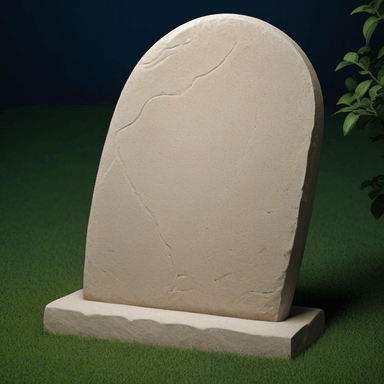
🪦 墓 grave + 碑 stone tablet = the stone tablet that marks a grave
墓 — grass 艹 + 莫 (phonetic, 'sunset')
A semantic-phonetic compound. The 土 'earth' element at the bottom signals burial mound, while 莫 (originally a sun setting in grass) supplies the sound. The character means 'grave' or 'tomb,' with 莫 also hinting at the sense of life's end.
碑 — stone 石 + low/humble 卑 (phonetic)
碑 is a semantic-phonetic compound: 石 'stone' gives the meaning, while 卑 (bēi) supplies the sound. Originally it referred to upright stones used at graves or palaces to tether animals or mark events; it later came to mean an inscribed stone tablet or monument.