城区
chéng qū · HSK 6
district
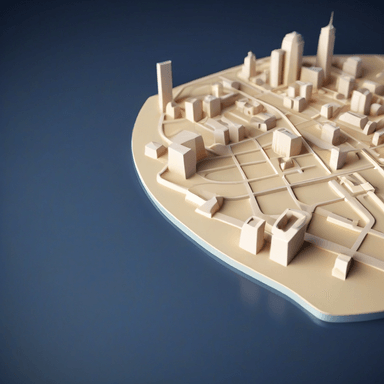
🏙️ 城 = city/wall + 区 = district/zone
城 originally meant the walled city; 区 means a demarcated zone or ward. Together they denote the urban districts inside (or making up) a city, as opposed to suburbs or countryside.
城 — earth radical 土 + 成 (to complete)
Originally a semantic-phonetic compound: 土 (earth) gives the meaning, since ancient cities were defended by rammed-earth walls, while 成 supplies the sound. The earliest meaning was 'city wall,' which later broadened to 'walled city' and then simply 'city' or 'town.'
区 — enclosure 匚 + 品 (items)
Originally a pictograph of items (品) hidden inside a container (匚), meaning to store or conceal. The sense extended to a bounded space, then to an administrative district or area. As a surname read Ōu, it preserves the older 'hidden/enclosed' nuance.