啤酒
píjiǔ · HSK 3
beer
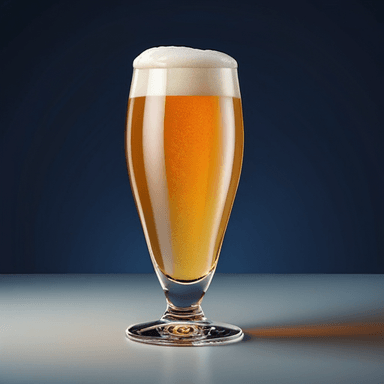
🍺 啤酒 = 啤 (beer, phonetic from English 'beer') + 酒 (alcohol)
啤 was coined as a phonetic loan for English 'beer' (pí ≈ bee), paired with 酒 (jiǔ, alcohol) to mark the category. So 啤酒 literally reads 'beer-alcohol' — a loanword wrapped in a native classifier.
酒 — water 氵 + 酉 (wine vessel)
酒 combines 氵 (water) with 酉, an ancient pictograph of a wine jar with a narrow neck. 酉 alone originally meant fermented liquor, but as it was borrowed for the tenth earthly branch, the water radical was added to keep the 'alcoholic drink' meaning clear.
pí jiǔ · HSK 3
beer
🍺 啤 (beer, phonetic from English 'beer') + 酒 (alcohol)
啤 is a phono-loan coined for foreign beer — the 口 radical marks it as a sound borrowing, and 卑 gives the 'pi' reading. 酒 is the generic word for alcoholic drink, so 啤酒 literally reads as 'beer-alcohol'.
酒 — water 氵 + 酉 (wine vessel)
酒 combines 氵 (water) with 酉, an ancient pictograph of a wine jar with a narrow neck. 酉 alone originally meant fermented liquor, but as it was borrowed for the tenth earthly branch, the water radical was added to keep the 'alcoholic drink' meaning clear.