后边
hoù bian · HSK 1
behind
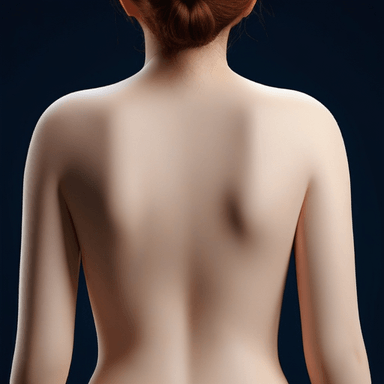
🔙 后 = after/behind + 边 = side; literally the back side
后 means 'back/after' and 边 means 'side/edge', so 后边 is the 'back side' — the area behind something. Pairs with 前边 (front side) and 旁边 (next to).
后 — 厂 cliff + 一 + 口 mouth
Originally depicted a ruler or sovereign issuing commands, showing a figure with a mouth giving orders. It came to mean 'queen' or 'empress.' In modern simplified Chinese, 后 also absorbed the meaning 'behind/after' from the traditional character 後, so context decides which sense applies.
边 — 辶 (walk) + 臱 (phonetic)
边 is the simplified form of 邊. It combines the walking radical 辶 with the phonetic component 臱, suggesting a place reached by walking — the edge or border of a territory. The meaning extended from 'frontier' to 'side' or 'edge' in general.