口罩
koǔ zhào · HSK 7
mask
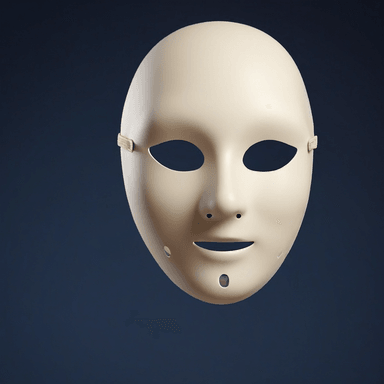
😷 口 (mouth) + 罩 (cover/hood) = the thing that covers your mouth
口 — pictograph of an open mouth
口 is one of the oldest pictographs in Chinese, originally drawn as a simple outline of an open mouth. Its core meaning 'mouth' extended naturally to 'opening' or 'entrance', as in 入口 (entrance). It also serves as a common radical in characters related to speech, eating, or apertures.
罩 — net 罒 (top) + zhuō 卓 (phonetic)
A semantic-phonetic compound. The top component 罒 is the 'net' radical, signaling the meaning of something that covers or traps, while 卓 supplies the sound (zhuō → zhào). The original sense was a bamboo fish trap or cover, which broadened to mean 'to cover, cover over,' as in a lampshade or fume hood.