叉子
chā zi · HSK 5
fork
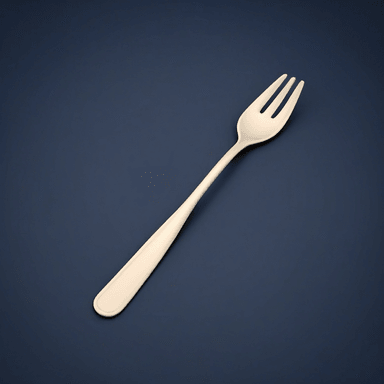
🍴 叉 (fork) + 子 (noun suffix); 叉 depicts crossed prongs
叉 originally pictured a hand with something stuck between the fingers, extended to any pronged/crossing shape. 子 is a common noun suffix (like -er). So 叉子 = fork-thing = fork.
叉 — hand 又 + crossing stroke 丶
Originally a pictograph of a hand (又) with an added stroke showing fingers crossed or something held between them. The character depicts the action of crossing or forking, which gave rise to meanings like 'fork,' 'cross,' and 'intersect.' The reading chā is most common for the noun 'fork.'
子 — pictograph of a baby/child with arms out
子 began as a pictograph of a swaddled infant with a large head and outstretched arms, originally meaning 'baby' or 'child.' From there it broadened to 'son,' 'offspring,' and a respectful suffix for masters like 孔子 (Confucius). It also became one of the twelve earthly branches.