厕所
cèsuǒ · HSK 6
toilet
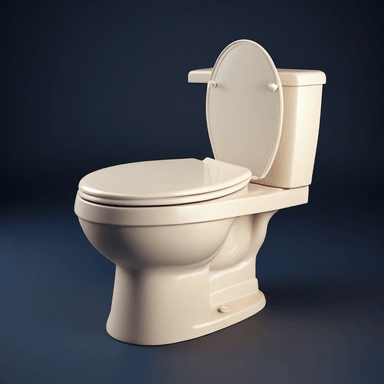
🚽 厕 (toilet) + 所 (place) = toilet place
厕所 decomposes as 厕 toilet/lavatory + 所 place/location. 所 is the same suffix in 场所 (venue) and 住所 (residence), marking a designated spot. So 厕所 literally reads as the toilet-place — the room set aside for that function.
所 — door 戶 (left) + axe 斤 (right)
Originally a sound: an axe (斤) chopping wood near a door (戶), with 戶 also hinting at the pronunciation. Over time it was borrowed to mean 'place' or 'location,' and later became a grammatical particle nominalizing verbs ('that which…'). The concrete 'chopping' sense faded entirely.
cè suǒ · HSK 4
restroom
🚽 厕 (toilet) + 所 (place) = toilet place
厕所 decomposes as 厕 (lavatory) + 所 (place/location). 所 is the same 'place' morpheme in 场所 (venue) and 住所 (residence). So 厕所 literally reads as the place for the lavatory.
所 — door 戶 (left) + axe 斤 (right)
Originally a sound: an axe (斤) chopping wood near a door (戶), with 戶 also hinting at the pronunciation. Over time it was borrowed to mean 'place' or 'location,' and later became a grammatical particle nominalizing verbs ('that which…'). The concrete 'chopping' sense faded entirely.