南瓜
nán guā · HSK 7
pumpkin
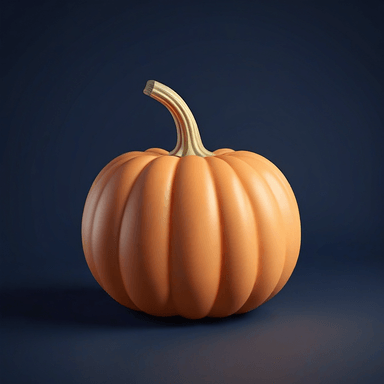
🎃 南瓜 = 南 south + 瓜 melon/gourd; the south-melon is the pumpkin
瓜 guā is the generic word for melons and gourds (also in 西瓜 watermelon = west-melon). 南 nán means south, the same character as in 南京 Nanjing. Sound-wise, nán guā rhymes with the two-beat na-gua stomp.
南 — 十 ten + 冂 enclosure + 丷 + 干
Originally a pictograph of a bronze bell or musical instrument hung on a frame, used in southern regional rites. Through phonetic loan, the character came to mean 'south' — the direction one faces when seated as ruler in ancient China. The original 'bell' meaning was lost.
瓜 — pictograph of a melon on its vine
瓜 is a pictograph showing a melon or gourd hanging from a curling vine, with the outer strokes representing the trailing tendrils and the inner shape the fruit itself. It has kept its original meaning of 'melon/gourd' since ancient times and also serves as a radical for related fruits like 瓢 (gourd ladle) and 瓣 (segment).