冰箱
bīngxiāng · HSK 4
refrigerator
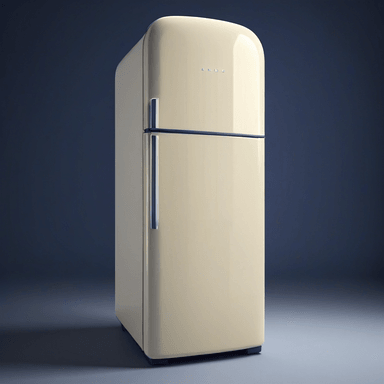
🧊 冰箱 = ice + box
冰 means ice and 箱 means box or chest, so an ice-box is literally a fridge. The 冫radical on 冰 marks cold/ice, and 箱 has the bamboo radical 竹 on top since old boxes were woven from bamboo.
冰 — ice radical 冫 + water 水
冰 means 'ice' and combines 冫 (the 'ice' radical, originally a pictograph of ice crystals) with 水 'water'. The radical 冫 is itself a simplified form of an older character for ice, so 冰 is essentially 'frozen water'. The form 氷 is a variant still used in Japanese.
箱 — bamboo radical 竹 + 相 (xiāng) phonetic
A semantic-phonetic compound. The bamboo radical 竹 on top signals the original meaning: a box or chest woven from bamboo or made of wood. The component 相 below supplies the sound 'xiāng'. Over time the meaning broadened from bamboo containers to boxes and cases of any material.