公鸡
gōng jī · HSK 6
rooster
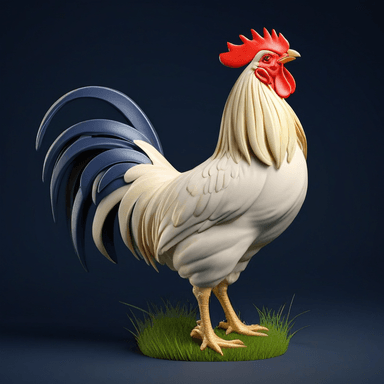
🐓 公鸡 = male (公) + chicken (鸡) → rooster
公 means male/public and 鸡 means chicken, so 公鸡 literally decomposes to male chicken = rooster. The female counterpart is 母鸡 (mǔ jī), hen, swapping 公 for 母 (mother/female).
公 — eight 八 + private 厶
Originally an ideograph showing 八 (to divide) over 厶 (private/self), depicting the act of splitting away from selfish interest. The combination came to mean 'public' or 'fair,' the opposite of private. It later extended to senses like 'duke,' 'lord,' and 'grandfather.'
鸡 — 又 (hand) + 鸟 (bird), simplified from 雞
Originally written 雞, a phono-semantic compound: 鳥 'bird' gives the meaning, while 奚 supplied the sound. The simplified form 鸡 replaces 奚 with 又 (a hand) as a sign component and uses the simplified bird radical 鸟. The character has always meant 'chicken'.